Steam Fireplaces
Steam fireplace is the name many buyers use for the water vapor family: fireplaces that make a flame effect from water vapour and light, with no combustion.
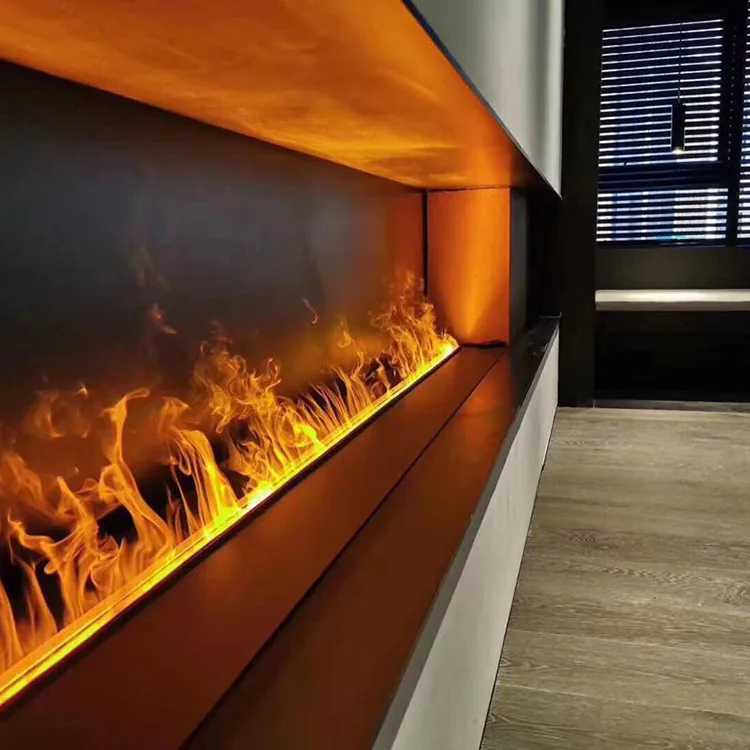
What steam fireplace means: steam fireplaces
Search for a steam fireplace and the results are water vapor fireplaces. The two terms point at one technology: water turned to a fine vapour, lit so that it reads as flame. Nothing boils and nothing burns; the word steam survives because the visible vapour resembles it. A buyer who starts from the steam term is looking for the same products as a buyer who starts from water vapor, and the range behind both names is one range.
The naming matters at the inquiry stage, not the product stage. Lists drafted from steam-titled listings and lists drafted from vapor-titled listings describe the same inserts, the same lines and the same freestanding models. Merging them before the inquiry keeps quantities honest: one product, one line, one quantity.
Why buyers land on the steam term
The steam term is common in retail listings and in translation, and it carries the buyer's real question with it: can the flame look real without being real. The vapour flame answers it by being a physical effect — rising, moving, lit from within — rather than a picture. Buyers comparing a steam fireplace against an electric screen fireplace are comparing two kinds of effect: a flame that rises and moves against a flame drawn on a screen.
The second question behind the term is heat. A steam fireplace's flame is cool; warmth, where it is wanted, comes from models with a heater. Buyers who need both should look at the models with a heater rather than assuming heat from the flame word.
The range behind the name
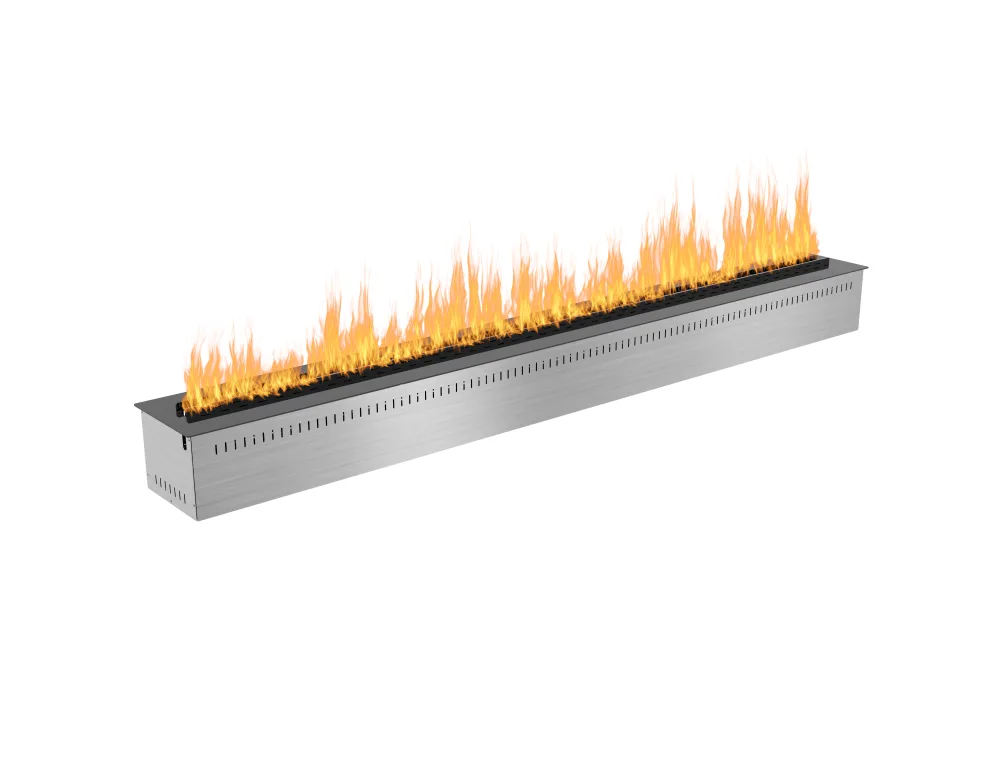
Behind the steam name sits the whole water vapor family: linear inserts in a run of lengths and tank sizes, the Deluxe and Primary lines, a round freestanding model, colour flame variants, and models with a heater. Controls run from remote through WiFi and app to smart-home platforms. Nothing in the family is excluded by the name a buyer arrived with.
Sorting a steam-named list follows the vapor discipline: form first, then line, control and heater requirement, quantities beside each item. A buyer sorts a steam-named list against the same family table and the same confirm checklist as any other vapor list.
The name also travels across languages and marketplaces, and it gathers near-misses on its way. Some listings use steam for any flame effect at all, including plain electric screen models that share nothing with the vapour technology but a picture of a fire. A buyer merging lists from several sources should sort by the working principle — water and light, or light alone — and not by the word in the title, because the confirmation questions for the two principles are different and a merged list inherits the questions of whatever it actually contains.
Asked the other way round, the distinction is easy to test at the product itself: a water vapor fireplace has a water tank and a refill routine, and its flame can be touched while it runs. A listing that cannot say where its water goes is not describing a steam fireplace in this sense, whatever its title claims. Buyers who apply that one test while drafting a list rarely need it again at the confirmation stage.
Related pages
Send an inquiry
Send your product list and quantities for a quote, under either name. Mark the form, line and heater requirement beside each item.